Where is Italian Football Heading?
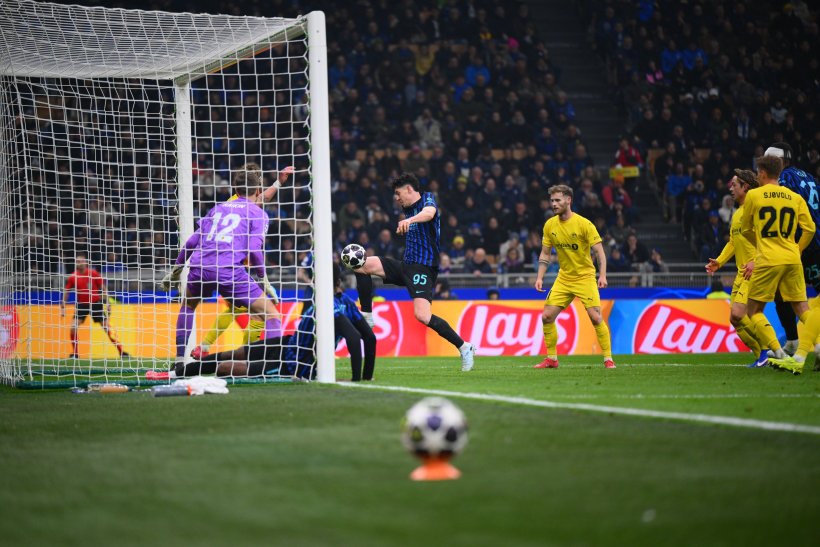
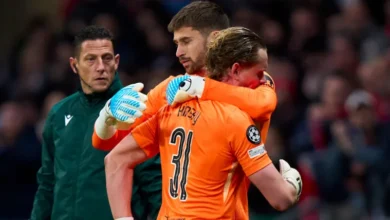
The exit of major clubs from the Italian league against teams from Norway and Turkey has intensified criticism and raised questions about the status of Italian football compared to its golden past.
In the 1990s and early 2000s, the Italian league was considered the strongest globally, with clubs like AC Milan, Inter Milan, and Juventus shining on the European stage, supported by top-tier stars. However, financial crises, administrative problems, and a reduced spending capacity compared to some other leagues clearly impacted the level of competition and the quality of the squads.
Despite this decline, it cannot be said that the situation is entirely deteriorated. Italian football still boasts tactical strength and experienced coaches, and some of its clubs have reached advanced stages in European competitions in recent years. However, the problem lies in the lack of technical and investment stability, as well as delays in updating stadiums and infrastructure.
At the national team level, the possibility of missing the World Cup for the third consecutive time doubles the level of concern and imposes significant pressure to rebuild the talent identification and development system.
Italy is not experiencing its best times, but it is also not too far from making a comeback, provided that serious reform steps are taken to restore its natural position among the continent’s major players.