Top 20 ranked – Which European leagues are giving young players the most game time?
Give the kids a chance!
©TM/IMAGO
The biggest clubs in the world have always looked to spend fortunes on the best players in the world, but in recent decades those clubs in question have tried to hedge their bets by signing these potentially world class players at younger and younger ages. Not so long ago, a player was deemed to be in the peak of his career between 28 and 30 years of age, but now clubs are prioritising players that are in their mid-20s or even younger. Which is why none of the top 10 biggest transfers this season were for players aged 28 or older.
This has had a profound impact on the clubs that sit below Europe’s goliaths, with entire industries being amassed in recent years that are essentially mid-table clubs in big leagues or big clubs in smaller leagues that now align their entire business models around developing and selling players. Which, in turn, has seen some top divisions essentially become feeder leagues for the likes of the Premier League and LaLiga. So which European leagues now prioritise youth development more than others? Using Transfermarkt’s database to calculate the percentage of game time given to players aged 21 or younger among the top 20 most valuable leagues in Europe, we’ve compiled an interesting list that may surprise many football fans.

Which leagues are giving the kids a chance?
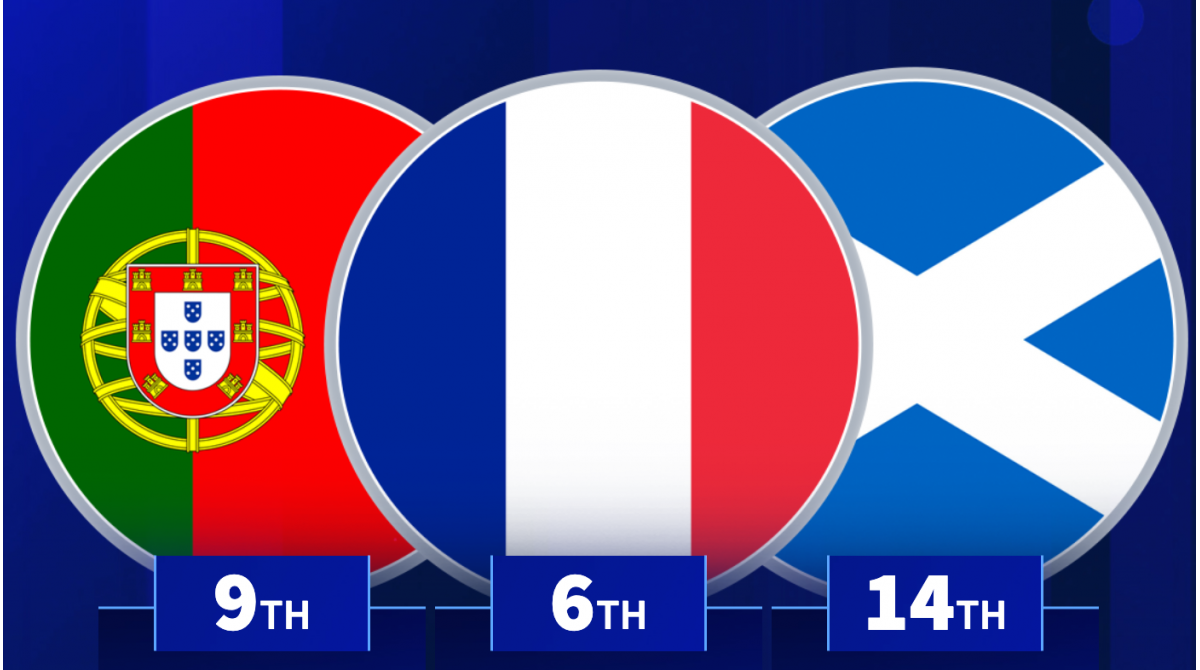
To no great surprise, most of Europe’s best top-flights for developing young talent are the smaller ones. For example, within the top 10 we have the Swiss Super League in eighth with 15.7% of the total game time awarded to U21 players, alongside the Austrian Bundesliga (19.4%) in seventh, the Norwegian Eliteserien (20.7%) in fifth, with the Belgian Jupiler Pro League (22.4%) and Danish Superliga (23%) in third and second place respectively. However, the European top-flight that has offered the most game time to U21 players this season is none other than the Serbian Super Liga Srbije, which is currently granting more than one quarter of its total game time to young prospects. Which will undoubtedly go on to help the club develop top talents in the years to come.
It’s worth noting at this point that the Serbian and Danish leagues outperform not only the Belgian top-flight, but other European leagues that are famous for being consistent conveyor belts of future stars. For example, the Eredivisie in the Netherlands ranks only fourth on our table, with 21.1% of its total game time given to young players, while the Liga Portugal (15.1%) only just makes it into the top 10, as it ranks level with the Ukrainian Premier Liga. However, the only top-five European league to feature in the top 10 is the French Ligue 1, which unsurprisingly far outranks its other major leagues by awarding 19.8% of its game time to young prospects.
Indeed, the next top league to feature on the rankings is the German Bundesliga, which sits just below the Czech Chance Liga (14.16%) and above the Polish Ekstraklasa (11.9%) in twelfth place after awarding 14.5% of its game time to young players so far this season. That puts the German top-flight four spots above the Premier League (9.6%), which itself is somewhat surprisingly doing better than both Serie A (9.2%) and LaLiga (7.4%). However, these leagues all featuring near the bottom of our top 20 shows that they are full of clubs that tend to buy older and more experienced players. The European leagues with the worst records for developing young players this season at the Turkish Süper Lig and Greek Super League 1.